Find Residential & Commercial Concrete Services for Foundations
From Foundations to Finishes: Exploring Comprehensive Concrete Services
Concrete services are fundamental in construction, providing both durability and flexibility. From laying strong foundations to adding decorative touches, these offerings meet diverse project demands. Understanding the benefits and options available is essential for making informed decisions. As undertakings advance, the choice of materials and approaches can profoundly affect both utility and visual appeal. What criteria should be evaluated when choosing a service provider, and how can upkeep prolong the lifespan of these structures?
Understanding the Key Benefits of Concrete Services
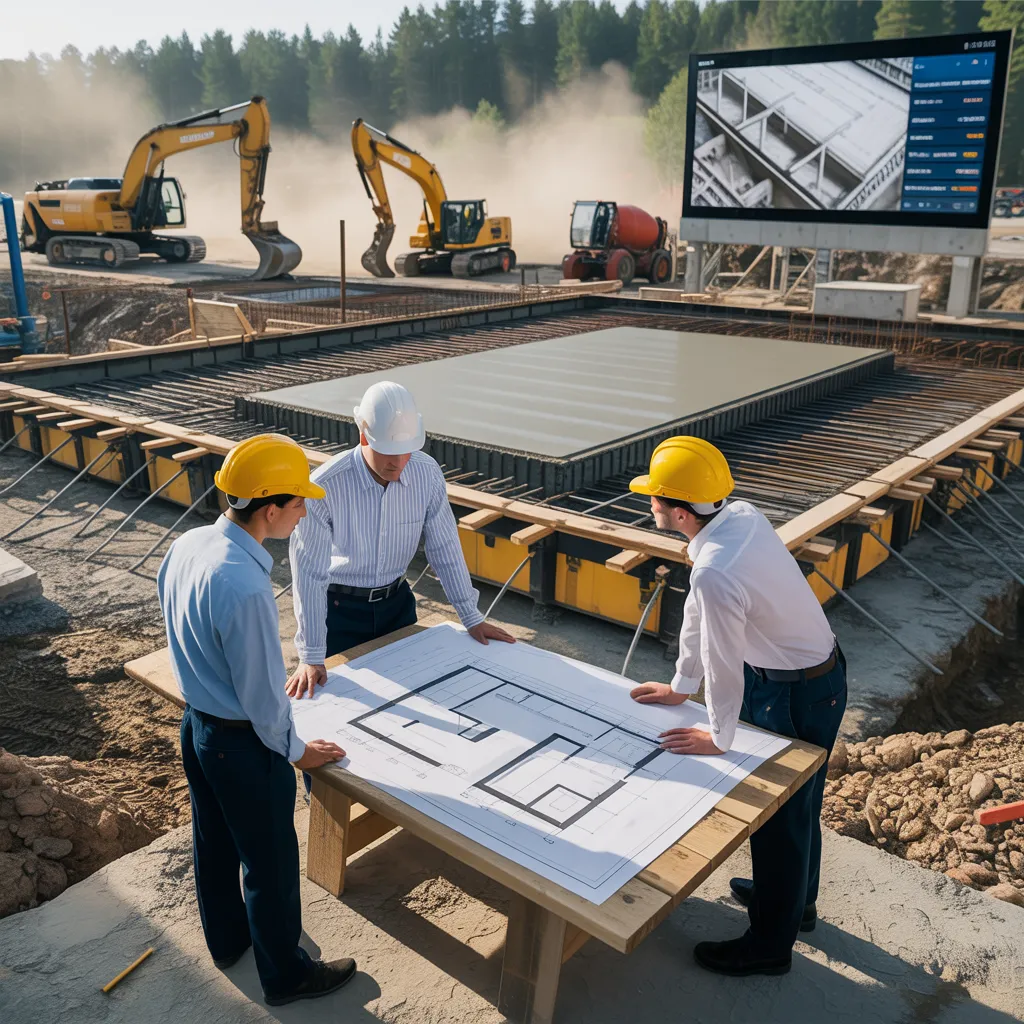
What makes concrete services essential for construction projects? Concrete services offer a foundational component that is essential to the structural soundness and lasting quality of any building. They provide flexibility, enabling a wide variety of applications from flooring to walls, ensuring that each project can satisfy particular design and functional needs. The long-lasting nature of concrete, which withstands weather and wear, helps lower maintenance expenses over time, making it an economical choice. Moreover, concrete services can boost energy efficiency by leveraging thermal mass, which aids in stabilizing indoor building temperatures. These services additionally promote environmental sustainability by making use of recyclable materials and cutting down on waste. In addition, experienced concrete specialists ensure that projects comply with safety regulations and building codes, reducing possible hazards. Ultimately, the value of concrete services reaches far beyond appearance; they fulfill a vital purpose in enhancing performance, safety, and sustainability throughout construction.
Essential Concrete Services for Solid Foundation Systems
Within the field of concrete services, recognizing the multiple forms of concrete foundations is essential for any construction project. Effective reinforcement serves a key function in ensuring strength and reliability, while proven methods of foundation repair can prolong the life of structures. These essential services form the backbone of strong, reliable foundations.
Types Of Concrete Foundations
Concrete foundations serve a critical role in the stability and longevity of any structure, as they provide the necessary support for the entire building. Several primary types of concrete foundations exist, each tailored to specific soil conditions and construction needs. The most common types include slab foundations, which are a single, thick layer of concrete; crawl space foundations, which elevate structures above ground; and basement foundations, which provide additional living space and storage. Every type carries distinct advantages, such as ease of construction, cost-effectiveness, or enhanced insulation. Comprehending these differences is essential for choosing the right foundation that corresponds to the unique needs of the project, ensuring a solid base for any construction endeavor.
Significance Of Correct Reinforcement
Reinforcement acts as a crucial component in ensuring the resilience and longevity of concrete foundations. Appropriate reinforcement strategies, such as the use of steel rebar or fibrous materials, enhance the overall structural stability by supplying tensile strength that unreinforced concrete is unable to offer. This combination significantly minimizes the likelihood of cracking and foundation failure under various loads and environmental conditions. Furthermore, sufficient reinforcement enables better stress distribution throughout the foundation structure, supporting longevity and performance. Structural engineers need to assess factors such as load requirements and soil conditions when designing reinforcement plans. By focusing on effective reinforcement, property owners can safeguard their investments and ensure the foundation structures are prepared to endure the test of time, providing effective support for the entire building.
Strategies For Foundation Repair
Foundation repair techniques play an essential role in upholding the structural soundness of properties, especially when challenges emerge from poor reinforcement or surrounding environmental influences. Frequently used approaches encompass underpinning, which fortifies the foundation by driving it further into stable earth, and slab jacking, a process in which a specialized mixture is pumped under concrete slabs to raise and align them. An additional method involves helical piers, which are set in place to deliver stability in weak soil conditions. Furthermore, wall anchors are capable of steadying bowed walls by reallocating structural pressures. Every technique is customized to address particular concerns, guaranteeing successful restoration and extending the longevity of the building. A thorough evaluation by qualified experts is necessary to identify the most suitable method for effective foundation restoration.
Innovative Concrete Ideas for Outdoor Areas
Concrete has the ability to transform outdoor spaces with innovative patio designs and long-lasting pathway solutions. These imaginative options not only enhance aesthetics but also provide lasting performance and usability. Through copyrightining different designs and materials, residents can establish a personalized outdoor environment that satisfies their unique requirements.
Unique Patio Solutions
As outdoor spaces frequently function as extensions of indoor living areas, innovative patio designs elevate these environments into functional and aesthetically pleasing retreats. Today's patios employ imaginative concrete solutions, blending texture, color, and form to enhance outdoor experiences. Stamped and stained concrete choices provide distinctive patterns that replicate natural stone or wood, offering adaptability without undermining durability. Integrating multi-level designs can establish separate zones for dining, relaxing, and entertainment, optimizing the use of available space. Furthermore, incorporating planters and seating into the design cultivates a harmonious connection between nature and architecture. The use of decorative borders and inlays further personalizes the space, ensuring each patio becomes a unique representation of the homeowner's personality. Altogether, these developments turn patios into charming outdoor havens.
Long-Lasting Walkway Solutions
How can homeowners ensure their walkways are both useful and attractive? Choosing long-lasting materials is essential. Concrete proves to be an excellent option due to its resilience and flexibility. Choices like stamped concrete enable imaginative patterns, mimicking natural stone or brick, while delivering remarkable strength against the elements and daily use. Additionally, homeowners might consider incorporating decorative aggregates for extra dimension and visual character. For homeowners looking for sustainable options, permeable concrete allows for water drainage, limiting water pooling and ground erosion. Furthermore, incorporating well-placed lighting can boost both security and visual appeal at night. By strategically bringing together these components, homeowners can build walkways that not only endure through the seasons but also elevate the overall charm of their outdoor spaces.
Creative Methods in Decorative Concrete Finishes
Transforming ordinary surfaces into stunning works of art, cutting-edge approaches in decorative concrete finishes have become increasingly favored among architects and designers. These approaches elevate aesthetic appeal while ensuring durability and functionality. Processes such as stamping, staining, and engraving provide a broad spectrum of textures and colors, replicating materials like stone or wood without the related upkeep expenses.
Stenciling delivers elaborate designs, allowing personalized patterns that can transform any area. Furthermore, the use of exposed aggregate showcases one-of-a-kind stone blends, contributing a natural aesthetic to surfaces.
Recent advancements, including the introduction of green pigments and sealers, have played a significant role in the sustainability of ornamental concrete surfaces. With the adoption of advanced technology, experienced specialists can attain vivid colors and durable outcomes.
Key Factors to Evaluate When Choosing a Concrete Service Provider
When selecting a concrete contractor, what key factors should be evaluated to guarantee a successful project? Initially, evaluating the provider's experience and expertise in specific concrete services is essential; this confirms they possess the skills necessary for the job. Additionally, copyrightining their portfolio can provide valuable information about past work and craftsmanship.
Furthermore, gathering references and reviewing customer feedback can be useful in evaluating consistency and overall satisfaction. It is likewise critical to confirm licensing and insurance coverage, as this shields against potential legal liabilities.
Pricing details must be open and reasonable, facilitating comparison with other providers. In addition, knowing the supplies and approaches applied can reflect the contractor's focus on high standards. To conclude, clear communication and prompt responses are essential, as they foster a collaborative environment and ensure that project goals are met. Ultimately, diligent review of these considerations can result in choosing a skilled provider of concrete services.
How to Select the Best Concrete Contractor
Selecting the ideal concrete contractor can significantly affect the outcome of a job. To arrive at a sound decision, individuals should first evaluating the contractor's expertise and focus. It is critical to confirm that the contractor has a demonstrated history in handling similar assignments, confirming they hold the required skills and expertise.
Moreover, interested individuals should gather recommendations and browse customer reviews to gauge customer satisfaction. Reviewing relevant licenses and insurance policies is essential to minimize exposure to liabilities. Furthermore, obtaining multiple quotes can assist in evaluating competitive pricing and spotting warning signs, such as abnormally low offers.
In conclusion, clear communication is essential. A specialist who attentively addresses project requirements and offers transparent scheduling reflects a high level of expertise. By thoughtfully weighing these factors, homeowners can choose a concrete contractor who suits their unique project demands, guaranteeing a positive result in the end.
How to Maintain and Care for Your Concrete Installations
Following the selection of a experienced concrete specialist, looking after your concrete work becomes vital to secure their longevity and functionality. Routine cleaning is necessary; dirt and blemishes must be addressed quickly to stop deterioration. A thorough but gentle pressure wash can efficiently clear away dirt and grime while avoiding damage.
Sealing concrete surfaces every few years is essential to protect against moisture infiltration and staining. This not only enhances appearance but also increases durability. Throughout the colder months, the utilization of de-icing agents should be avoided, as they can lead to cracks and surface flaking.
Cracks ought to be handled promptly with suitable repair products to stop further degradation. Furthermore, substantial loads ought to be regulated to prevent unnecessary strain on the concrete. By following these upkeep guidelines, property managers can rest assured that their concrete structures stay functional and aesthetically pleasing for years to come.
Questions Our Clients Often Ask
What Are the Environmental Impacts of Concrete Services?
The concrete industry considerably influences the environment via substantial carbon release in the production process, the depletion of natural resources, and environmental habitat damage. Additionally, inadequate waste management leads to land contamination, while energy-demanding operations worsen climate conditions and deplete natural resources.
How Long Does Concrete Usually Last Before Requiring Repairs?
Concrete typically lasts three to four decades before repair work becomes necessary, influenced by factors such as climate conditions, material quality, and upkeep practices. Routine inspections help prolong its lifespan and catch problems early.
Is It Possible to Recycle Concrete After Its Useful Life?
That's correct, concrete may be recycled after its useful life. It is commonly broken down and reused as aggregate in new concrete or used in other construction applications, thereby minimizing waste and preserving environmental resources.
What Safety Precautions Should Be Followed During Concrete Installation?
Throughout concrete pouring and installation, workers should don the necessary personal protective equipment, guarantee proper ventilation, manage noise and dust levels, establish a secured work area, adhere to equipment safety guidelines, and keep communication clear and open to reduce accidents and maintain a secure working environment.
How Does Weather Impact Concrete Curing Times?
Weather conditions greatly influence concrete curing times. High temperatures accelerate evaporation, while cold temperatures may slow down the hardening process. Ambient humidity is another important consideration, with residential & commercial Concrete too much moisture being capable of causing surface defects, ultimately impacting the strength and longevity of the concrete.